How to Treat Industrial Organic Waste Gas Efficiently at Low Temperatures?
A company specializing in the research and development and production of a series of environmentally friendly catalytic materials, including
ozone decomposition catalysts, carbon monoxide catalysts, hopalat agents, manganese dioxide, copper oxide, VOC catalysts, and hydrogen peroxide catalysts, is compiling information to provide highly adaptable catalytic material solutions for various environmental governance scenarios, hoping to be helpful to everyone.
Our main clientele includes: industrial waste gas treatment companies, ozone purification equipment manufacturers, environmental protection companies in the motor vehicle, shipbuilding, exhaust gas treatment, petrochemical, and chemical industries, coating, printing, VOCs treatment, municipal and industrial wastewater treatment companies, flue gas treatment companies in the metallurgical and thermal power industries, laboratory and enclosed space air purification equipment manufacturers, and environmental engineering general contracting and operation and maintenance companies.
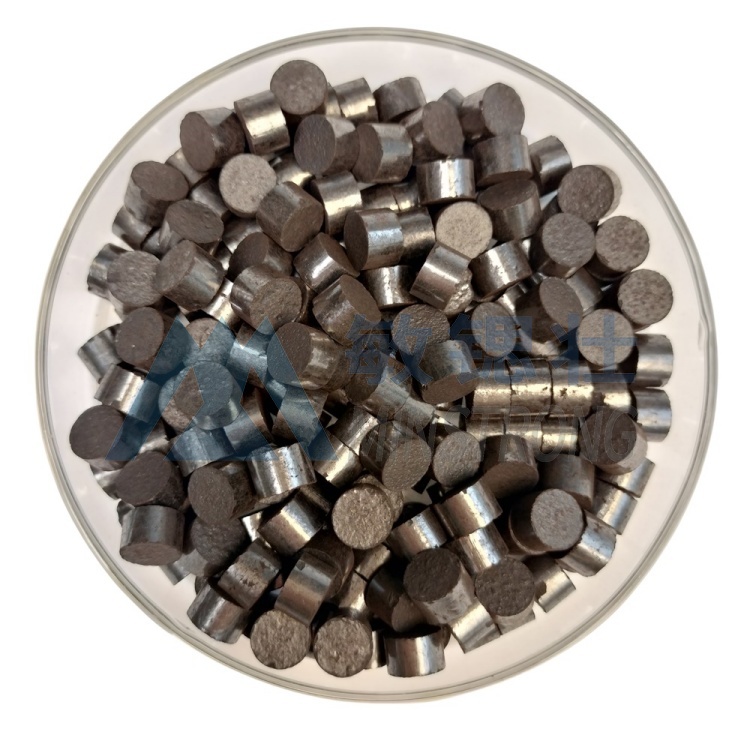
The organic waste gases from industries such as chemicals, coating, printing, and electronics are mostly characterized by large volumes, low concentrations, and complex compositions. Traditional high-temperature incineration processes are energy-intensive, prone to generating secondary pollution such as nitrogen oxides, and have high equipment operation and maintenance costs. Low-temperature, high-efficiency treatment has become a core demand in these industries, and VOC catalysts are the core material for achieving this goal.
1. Core Treatment Solution:
Low-Temperature Catalytic Oxidation Process Core Principle: VOC catalysts reduce the activation energy of the organic waste gas oxidation reaction, allowing VOCs to be completely oxidized and decomposed into CO₂ and H₂O at a low temperature of 220-350℃, without the need for open flames, ensuring high safety. The regenerative catalytic oxidation process, combined with a heat storage medium, achieves a heat recovery efficiency of over 95%, significantly reducing operating energy consumption and making it suitable for most industrial organic waste gas treatment scenarios. The process advantages are: Compared to traditional processes, low-temperature catalytic oxidation features high purification efficiency (removal rate 95%+), no secondary pollution, small equipment size, and flexible start-up and shutdown, meeting the needs of industrial low-carbon emission reduction.
2. Key Practical Points: VOC Catalyst Selection and Usage
Catalyst Selection: Select the appropriate type based on the waste gas composition and impurity content. Precious metal VOC honeycomb catalysts exhibit strong low-temperature activity and rapid start-up, suitable for organic waste gases with clean components and stable concentrations; non-precious metal VOC honeycomb catalysts, with copper oxide and manganese dioxide as core components, offer better resistance to poisoning and high-temperature resistance, suitable for chemical organic waste gases containing trace amounts of sulfur, chlorine, and dust impurities; the honeycomb structure of the catalyst also offers advantages such as low airflow resistance, high catalytic efficiency, and long service life.
Key Usage Points: Before using the catalyst, proper pretreatment is essential to remove impurities such as dust, oil mist, sulfides, and chlorides from the waste gas, preventing the active sites from being covered or poisoned. During operation, the reaction temperature must be kept stable to prevent overheating that could lead to catalyst sintering and deactivation, thus extending the catalyst's lifespan.
The industry value of low-temperature catalytic oxidation technology emphasizes that the selection and standardized use of VOC catalysts are crucial for achieving efficient low-temperature treatment of industrial organic waste gas. This provides technical support for industrial enterprises to achieve environmental compliance and low-carbon production, aligning with current environmental policies and industry development trends.
Author: Hazel
Date: 2026-03-12


