How to Select VOC Catalysts for Automotive Exhaust Treatment?
We are a company specializing in the R&D and production of a series of eco-friendly catalytic materials—including
ozone decomposition catalysts, carbon monoxide catalysts, Hopcalite, manganese dioxide, copper oxide, VOC catalysts, and hydrogen peroxide catalysts. We have compiled the following information to provide highly compatible catalytic material solutions for various environmental remediation scenarios, with the hope of assisting our industry peers.
Our primary client base encompasses: industrial
waste gas treatment enterprises; manufacturers of ozone purification equipment; companies providing environmental support services for the automotive, marine, exhaust treatment, petrochemical, and chemical industries; enterprises involved in painting, printing, and VOCs remediation; municipal and industrial wastewater treatment facilities; manufacturers of flue gas treatment systems for the metallurgy and thermal power sectors; laboratories; manufacturers of air purification equipment for enclosed spaces; and general contractors and O&M providers for environmental engineering projects.
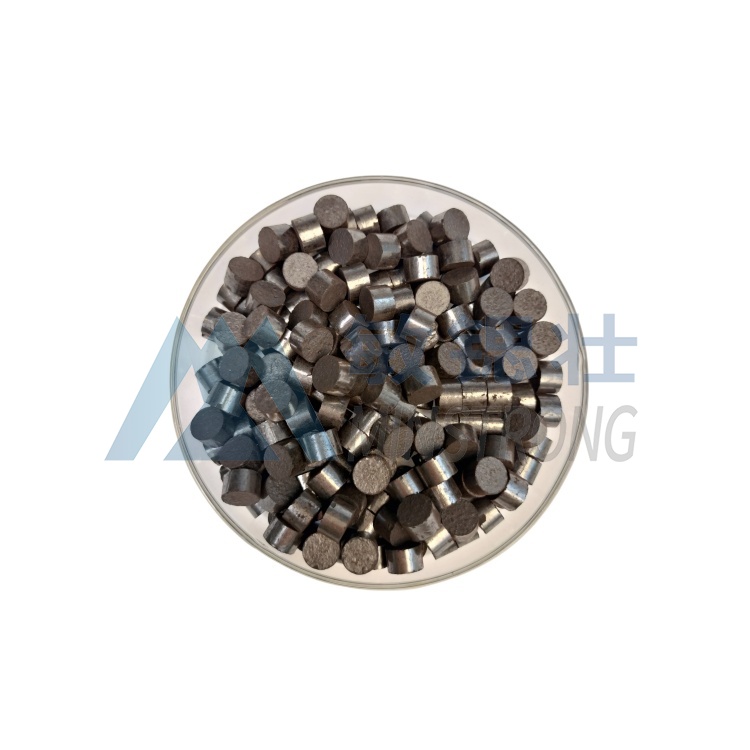
VOC catalysts serve as the core components of automotive exhaust treatment systems; they directly determine the purification efficiency of volatile organic compounds (VOCs) in exhaust gases and act as a critical safeguard for ensuring compliant exhaust emissions. Faced with a variety of VOC catalyst types—including those utilizing precious metals, non-precious metals, or honeycomb structures—how should automotive manufacturers and exhaust treatment suppliers make their selections to ensure compatibility with specific engine operating conditions while balancing purification efficiency with service life? A selection methodology grounded in real-world application cases offers a more precise approach to resolving the industry's critical challenges regarding product selection.
When selecting VOC catalysts for automotive exhaust treatment, the primary considerations are low-temperature catalytic efficiency and broad-spectrum thermal adaptability.
During the cold-start phase of an automobile, exhaust temperatures are low; consequently, the catalyst must rapidly "light off" (activate) at low temperatures. A certain passenger vehicle manufacturer, when equipping its "China VI b" compliant models, selected a high-efficiency, low-temperature VOC catalyst. This solution achieved rapid light-off at 160°C and attained a VOC purification efficiency exceeding 92% during the cold-start phase, thereby perfectly resolving the issue of excessive exhaust emissions during cold starts. In practical application, it is essential to require suppliers to provide purification performance data across the entire temperature range, prioritizing specialized models designed to accommodate fluctuations in exhaust temperature.
Resistance to high temperatures, aging, and structural stability are critical factors for ensuring long-term durability.
Automobile exhaust temperatures frequently fluctuate—rising and falling abruptly—and for commercial vehicles, exhaust temperatures can reach as high as 900°C. One heavy-duty truck manufacturer previously encountered issues with high-temperature sintering and the detachment of active catalytic components due to the use of standard VOC catalysts; the service life of these catalysts was limited to a mere 20,000 kilometers. After switching to a high-temperature-resistant, honeycomb-structured VOC catalyst, the service life was extended to 100,000 kilometers, while purification efficiency consistently remained above 85%. In practical application, it is necessary to review high-temperature aging test reports and pay close attention to the bonding process between the catalyst substrate and its active components.
Resistance to poisoning and impurities is essential to align with actual vehicle operating conditions.
Impurities such as sulfur, phosphorus, and lead—generated during fuel combustion—can easily poison and deactivate catalysts. A logistics vehicle manufacturer operating in regions where high-sulfur fuel is prevalent selected a sulfur- and phosphorus-resistant VOC catalyst. This choice effectively mitigated the corrosive effects of impurities; even after prolonged use, the VOC purification efficiency showed no significant degradation, whereas standard catalysts experienced a 30% decline in efficiency after just one month of use. In practical application, it is necessary to select the appropriate impurity-resistant catalyst variant based on the specific type of fuel used and to require the provision of actual test data regarding the catalyst's resistance to poisoning.
Precise molding accuracy and compatibility with the exhaust system are essential to meet the requirements of the overall exhaust treatment system.
A mismatch between the catalyst's dimensions or channel structure and that of the exhaust purifier can lead to exhaust gas channeling (uneven flow distribution) and a subsequent decline in purification efficiency. A manufacturer of new-energy hybrid vehicles, when selecting catalysts for its models, opted for a customized, honeycomb-structured VOC catalyst featuring precisely calibrated pore sizes. This catalyst integrated seamlessly with the exhaust purifier, eliminating airflow "dead zones" and resulting in a 15% improvement in the vehicle's overall VOC purification efficiency. In practical application, it is imperative to verify that the dimensions and structural specifications of the catalyst and the exhaust purifier are precisely matched.
The selection of VOC catalysts for automotive exhaust treatment centers on three core principles: "adapting to specific operating conditions as the foundation, prioritizing purification efficiency as the core objective, and ensuring long-term stability as the bedrock." By taking into account the distinct exhaust characteristics of passenger vehicles, commercial vehicles, and hybrid models—and by drawing upon real-world application case studies within the industry—it is essential to select products that possess proven track records in automotive exhaust treatment and are capable of providing customized solutions. Only in this way can exhaust purification be rendered more efficient and durable, thereby establishing a robust safeguard to ensure that automotive exhaust emissions meet regulatory compliance standards.
Author: Hazel
Date: 2026-03-26


