What Causes VOC Catalyst Deactivation?
A company specializing in the research and development and production of a series of environmentally friendly catalytic materials, including
ozone decomposition catalysts, carbon monoxide catalysts, hopalat agents, manganese dioxide, copper oxide, VOC catalysts, and hydrogen peroxide catalysts, is compiling information to provide highly adaptable catalytic material solutions for various environmental governance scenarios. We hope this information is helpful.
Our main clientele includes: industrial waste gas treatment companies, ozone purification equipment manufacturers, environmental protection companies in the motor vehicle, shipbuilding, and petrochemical/chemical industries, coating and printing companies, VOCs treatment companies, municipal and industrial wastewater treatment companies, flue gas treatment companies in the metallurgical and thermal power industries, laboratory and enclosed space air purification equipment manufacturers, and environmental engineering general contracting and operation and maintenance companies.
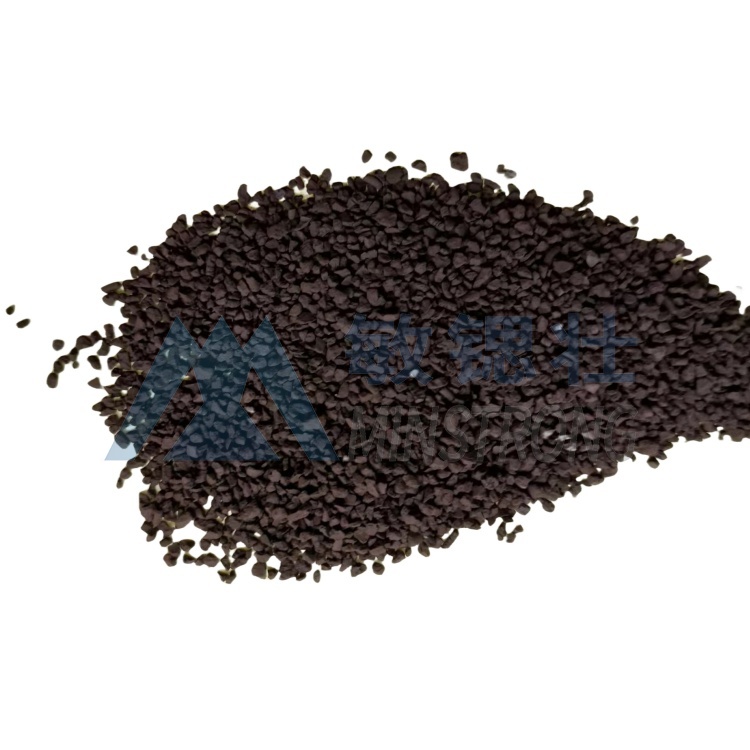
VOC Catalysts: The "Heart" of Waste Gas Purification In the field of industrial waste gas treatment, VOC (volatile organic compound) catalysts are the core of purification efficiency. They accelerate the oxidation reaction of oxygen and VOC molecules at relatively low temperatures (typically 250-400°C), efficiently converting them into harmless carbon dioxide and water, thereby achieving environmental emission standards. The core principle is to utilize the active sites on the catalyst surface (such as platinum, palladium, or transition metal oxides) to adsorb and activate reaction molecules, significantly reducing the activation energy required for the reaction.
Key Issues to Consider in Application
To ensure the long-term stable operation of VOC catalysts, the following must be strictly controlled during application:
Inlet Gas Conditions: The temperature must be above the catalyst ignition temperature, but prolonged exposure to above-average temperatures is not advisable.
Exhaust Gas Composition: The types and concentrations of VOCs in the exhaust gas, as well as any impurities it may contain, must be clearly identified.
Pretreatment: High-efficiency filtration of dust, paint mist, oil mist, etc., is a necessary prerequisite.
Five Major Culprits Leading to VOC Catalyst Deactivation
Understanding the causes of catalyst deactivation is key to prevention:
Poisoning Deactivation (Chemical Deactivation): This is the most common cause. Elements such as phosphorus, sulfur, lead, zinc, and silicon in the exhaust gas can undergo strong chemical adsorption or reaction with the active sites of the catalyst, forming stable compounds that permanently cover or destroy the active sites.
Thermal Deactivation (Sintering): Long-term or short-term exposure to temperatures exceeding the design limit (such as abnormal temperature rise in RTO systems) can cause the agglomeration and growth of the active component precious metal particles and sintering of the support, significantly reducing the effective reaction surface area.
Blockage and Scaling (Physical Deactivation): Improper pretreatment leads to the deposition of dust, metal oxides, and high-boiling-point organic compounds (such as tar) within the catalyst channels, blocking the pathways between reactants and active sites.
Effects of Halogens and Alkaline Substances: Halogen compounds such as chlorine and fluorine can cause fluctuations in catalyst activity or poisoning; excessive alkaline substances can also neutralize acidic sites on the catalyst surface.
Mechanical Wear: Long-term airflow impact or system vibration leads to a decrease in the mechanical strength of the catalyst, generating powder and causing activity loss.
Regeneration and Treatment of Deactivated Catalysts: Not all deactivated catalysts are irreversible: Reversible Blockage/Scaling: Surface coatings can be removed by offline purging (compressed air), hot water cleaning, or cleaning with specific solvents.
Minor Sintering or Poisoning: Specialized manufacturers can partially restore deactivated catalysts through thermal regeneration, chemical cleaning, and reloading of active components, but this is costly.
Permanent Deactivation:
For severely poisoned, sintered, or broken catalysts, replacement is the only option. Waste catalysts should be disposed of as hazardous waste by a qualified facility.
Prevention is better than cure. Precise waste gas composition analysis, rigorous pretreatment, and stable operating condition control are the best strategies to avoid VOC catalyst deactivation and ensure the long-term, economical, and efficient operation of the waste gas treatment system. Regularly monitoring the catalytic bed pressure drop and purification efficiency can help identify problems early and extend the catalyst's lifespan.
Author: Hazel
Date: 2026-02-11


