How do VOC catalysts purify waste gas from feed processing?
In feed processing, the drying and cooling stages are often the hardest hit areas for odor generation. Under high temperatures, the proteins, fats, and other organic matter in the raw materials decompose and volatilize, releasing large amounts of irritating waste gases, mainly composed of ammonia, thiols, hydrogen sulfide, and amines. These substances not only have a pungent odor but also pose threats to human health and the environment—long-term exposure to ammonia can cause respiratory diseases, while thiols have anesthetic and neurotoxic properties, and they are also a major cause of complaints from nearby residents.
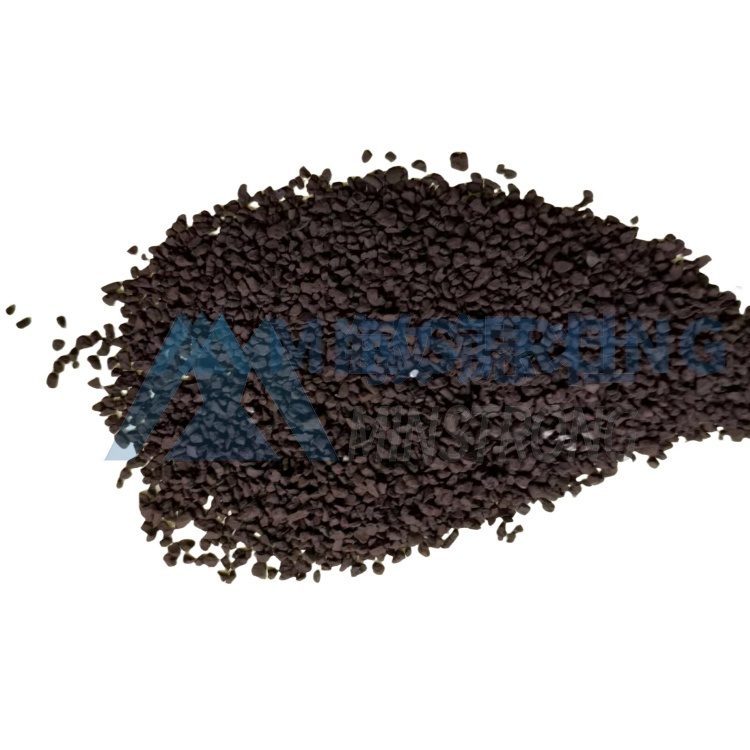
Sources and Hazards of Odors in Feed Processing
During the feed drying and cooling processes, temperature changes and moisture evaporation cause sulfur- and nitrogen-containing volatile organic compounds (VOCs) to escape. These odorous gases have a low odor threshold and diffuse rapidly, easily causing foul odors even at low concentrations. Furthermore, some components, such as hydrogen sulfide, are flammable and explosive gases, posing safety hazards. Therefore, effective deodorization of feed processing waste gases has become a necessity for environmental compliance in the industry.
The Principle of VOC Catalytic Oxidation for Gas Purification
VOC catalysts (catalytic oxidation technology) are currently one of the most efficient methods for treating feed odors. Its core principle is: under the catalytic action of precious metals (such as platinum and palladium) or transition metal oxides as active components, organic compounds such as ammonia and thiols in waste gas undergo complete oxidation with oxygen at relatively low temperatures (usually 200-400℃), converting them into harmless carbon dioxide, water, and nitrogen.
Compared to direct combustion (requiring 700-800℃), catalytic oxidation significantly lowers the reaction temperature, saving energy and avoiding the generation of secondary pollutants such as nitrogen oxides at high temperatures. For typical ammonia and thiols in feed waste gas, the catalyst can precisely break their molecular bonds, converting sulfur into sulfur dioxide (which can then be treated by a desulfurization device), while ammonia mainly decomposes into nitrogen and water, thus achieving highly efficient deodorization, with a removal rate typically exceeding 95%.
Precautions for Using VOC Catalysts
1. Proper Pre-treatment is Essential: Before entering the catalyst bed, waste gas must undergo dust removal and demisting treatment. 1. Feed drying exhaust gas often contains a large amount of particulate matter and oil mist. Direct contact with the catalyst can cover active sites, causing **permanent deactivation**.
2. Control inlet gas temperature: The reaction temperature should be strictly controlled within the catalyst's applicable range (e.g., 220-380℃). Too low a temperature will result in insufficient purification efficiency; too high a temperature may lead to catalyst sintering or carrier collapse.
3. Prevent catalyst poisoning: Elements such as chlorine, phosphorus, and arsenic in the exhaust gas can combine with precious metals, causing catalyst poisoning and inactivation. If chlorine-containing antifungal agents are added during feed processing, prior assessment and the addition of a pre-adsorption device are necessary.
4. Regular regeneration and replacement: Even with proper maintenance, catalyst activity will gradually decrease over operating time. It is recommended to perform thermal regeneration or chemical cleaning every 6-12 months, and consider partial or complete replacement after 3-5 years of operation.
Summary
VOC catalysts, with their advantages of low-temperature efficiency and no secondary pollution, have become an ideal choice for solving the odor problem in feed processing drying and cooling exhaust gas. However, to achieve long-term and stable compliance, it is essential to prioritize pretreatment, temperature control, and poisoning prevention to ensure that catalytic oxidation technology truly functions as an "air scavenger."
author:Gloria
date:2026-05-07


