Language:


Reducing VOC catalyst replacement costs does not simply mean purchasing catalysts at a lower price. The key is to slow down catalyst deactivation, extend the effective service life, and optimize the operating conditions of the VOC treatment system to achieve lower long-term operating costs. The lifetime of VOC catalysts is affected by many factors, including exhaust gas composition, pollutant concentration, operating temperature, humidity, dust content, and equipment design. By understanding catalyst deactivation mechanisms and implementing targeted optimization measures, companies can reduce replacement frequency and improve the overall economic efficiency of VOC treatment systems.
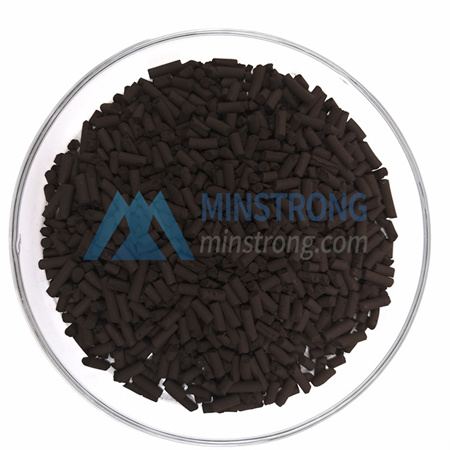
During VOC catalytic oxidation, catalysts reduce the reaction temperature required for oxidizing organic pollutants, converting VOCs into carbon dioxide and water. However, during long-term operation, catalyst activity may gradually decline, resulting in reduced removal efficiency and eventually requiring catalyst replacement.
Frequent replacement of VOC catalysts is usually related to several key factors.
First, substances such as sulfur compounds, halogen-containing compounds, siloxanes, and heavy metals in industrial exhaust gases may adsorb onto active sites of the catalyst surface. This can cause catalyst poisoning, block catalytic reaction sites, and reduce oxidation efficiency.
Second, when high concentrations of VOCs enter the catalytic system beyond the designed treatment capacity, carbon deposition may occur. Carbon deposits cover active areas on the catalyst surface, reducing contact efficiency between pollutants and catalytic active sites.
In addition, improper temperature control is another important factor that shortens catalyst lifetime. Excessively low temperatures may lead to incomplete VOC oxidation, while excessively high temperatures may cause structural changes in the catalyst and reduce the stability of active components.
Therefore, the first step in reducing VOC catalyst replacement costs is identifying the actual causes of catalyst deactivation rather than simply increasing catalyst loading.
Improving exhaust gas quality before it enters the catalytic reactor is one of the most effective methods for extending VOC catalyst lifetime.
Industrial VOC exhaust streams often contain dust particles, moisture, and complex organic compounds. If these contaminants directly enter the catalyst bed, they may block catalyst pores, reduce specific surface area, and accelerate activity loss.
By applying appropriate pretreatment processes such as filtration, dust removal, and mist removal, the amount of particulate matter and liquid contaminants entering the catalyst layer can be significantly reduced. For exhaust gases with high dust content, removing particulate pollutants before catalytic treatment is essential. For high-humidity exhaust streams, moisture levels should be properly controlled to prevent long-term performance degradation.
An effective pretreatment system reduces the pollutant load on the catalyst, allowing it to maintain higher activity for a longer period and reducing the frequency of replacement.
VOC exhaust compositions vary significantly across different industrial applications. Therefore, catalyst selection should not focus only on initial purchase price but should consider factors such as operating temperature range, resistance to poisoning, mechanical strength, and service lifetime.
For continuous emission sources with low VOC concentrations, low-temperature catalytic activity is an important consideration because it helps reduce energy consumption. For exhaust gases with complex compositions, stronger resistance to contaminants and better long-term stability are often more important.
If catalyst performance does not match actual operating conditions, even a lower-cost catalyst may result in higher overall expenses due to frequent replacement, maintenance, and system downtime.
Therefore, VOC catalyst selection should be based on exhaust temperature, VOC concentration, gas composition, and emission requirements rather than simply comparing purchase prices.
The operating conditions of a VOC catalytic oxidation system directly affect catalyst lifetime.
First, maintaining a stable reaction temperature is essential. Catalytic oxidation requires operation within an appropriate temperature range, and excessive temperature fluctuations may affect catalyst activity and stability.
Second, VOC inlet concentration should be controlled properly. Sudden increases in VOC concentration can create excessive thermal stress and accelerate catalyst degradation.
In addition, controlling gas hourly space velocity (GHSV) is important for improving catalyst utilization. Excessively high space velocity reduces the contact time between exhaust gas and catalyst, lowering VOC conversion efficiency. Excessively low space velocity may increase equipment investment and operating costs.
By optimizing temperature, concentration, and airflow parameters, catalysts can operate under more stable conditions, improving treatment efficiency and extending service life.
In addition to equipment design and operating optimization, proper maintenance management is also an important approach to reducing VOC catalyst replacement costs.
Companies can regularly monitor outlet VOC concentration, reaction temperature changes, and system pressure variations to evaluate catalyst performance.
When catalytic efficiency decreases, the root cause should be analyzed first, such as contaminant accumulation, abnormal temperature conditions, or uneven airflow distribution, instead of immediately replacing the catalyst.
In some cases, reduced catalyst performance can be improved through operating adjustments or regeneration methods, extending the usable lifetime of the catalyst.
Comprehensive operation records and maintenance strategies help identify potential problems early, avoiding unexpected catalyst failure, production interruptions, and additional costs.
VOC catalyst costs should not be evaluated only based on initial purchase expenses. A complete life cycle assessment is necessary to understand the real economic value.
A catalyst with a lower purchase price may result in higher total operating costs if it has a shorter service life and requires frequent replacement. In contrast, a catalyst with better stability and longer lifetime may provide lower long-term costs by reducing replacement frequency, downtime, and maintenance requirements.
Therefore, reducing VOC catalyst replacement costs requires comprehensive optimization of catalyst performance, exhaust gas pretreatment, operating conditions, and maintenance management.
By minimizing deactivation factors, improving catalyst utilization efficiency, and extending operating cycles, industrial VOC treatment systems can achieve more stable, reliable, and cost-effective long-term operation.
author:kaka
date:2026/7/13
Contact: Candyly
Phone: +8618142685208
Tel: 86-731-84115166
Email: sales@minstrong.com
Add: E2 Building, Kinglory Science And Technology Industrial Park, Wangcheng Area, Changsha, Hunan, China.